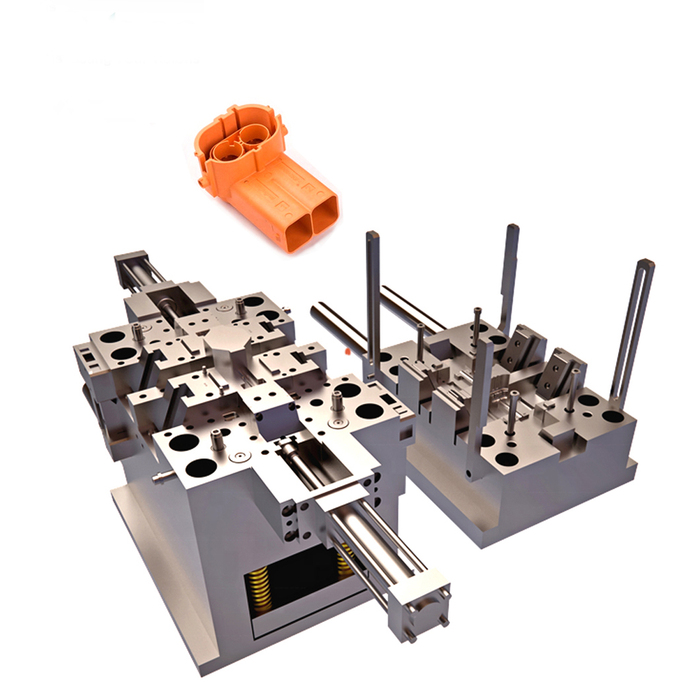
Overmolding and Insert Molding
We combine multiple materials, colors and components in a single molded part—reducing assembly steps and improving function, grip and appearance.
Overmolding and Co-Injection
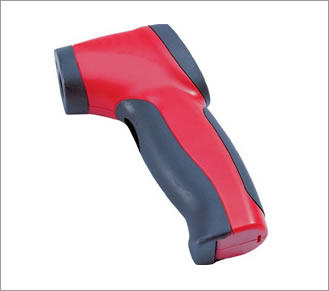
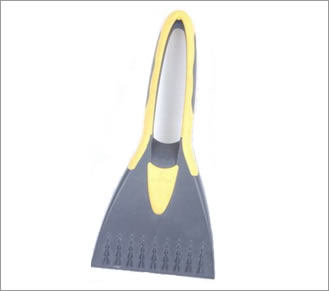
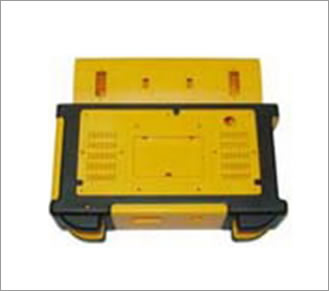
Overmolding adds a second material over a rigid substrate to create soft-touch grips, seals, bumpers and multi-color or multi-durometer surfaces. The substrate can be a molded plastic part, metal insert or another molded component. Typical combinations include TPE or TPU over ABS, PC or nylon for handles, housings and medical or consumer products that need improved ergonomics and impact resistance.
Co-injection (sandwich molding) injects two materials through the same gate so one forms the outer skin and the other the core. It is used to hide recycled or lower-cost core material, improve surface finish, add barrier properties or combine structural and cosmetic layers in one cycle. Co-injection is common for packaging, automotive and consumer parts where appearance and material cost both matter.
Insert Molding
Insert molding places metal or pre-formed components—threaded inserts, pins, bushings, contacts or magnets—into the mold before injection. The plastic flows around the insert and locks it in place, producing a single integrated part. This eliminates secondary assembly, improves pull-out strength and is widely used for electrical connectors, medical devices, automotive components and industrial hardware.